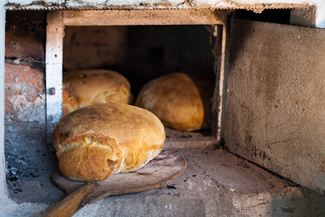
 Bread was the key staple food in medieval Europe and there was a surprisingly wide range of medieval bread recipes. Basically, different grains made different bread. So, the type of bread you ate would generally be dictated by the grain produced in your local area.
The quality of the soil and the type of climate were the biggest influences on the type of grain that medieval people could grow. Therefore, people in generally warm, dry areas would eat medieval bread of a very different kind to that eaten by people in colder, wetter areas.
Grains For Making Medieval Bread
Here are the main grains which medieval bakers commonly used to bake bread:
Wheat – wheat made the finest, whitest bread. Generally only wealthy landowners ate this type of medieval bread because it required good quality soil. Proper cultivation and good maintenance of the land came at a price. Only the wealthy could afford the workforce and the materials needed.
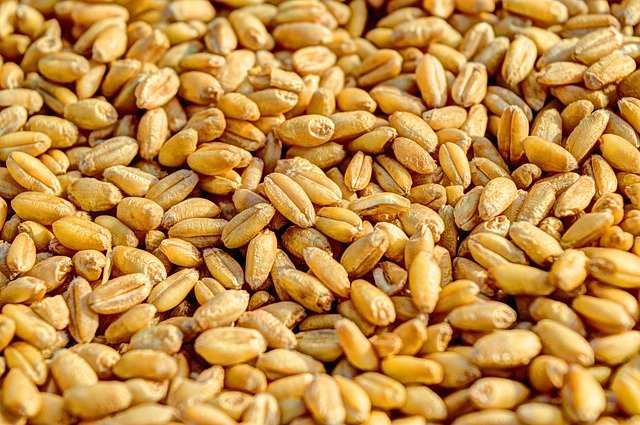
Wheat
Rye – rye made a darker bread. Rye bread was common throughout medieval Europe and it is still popular today in countries like Germany. Sometimes medieval bakers would blend rye in with wheat to make what was known as maslin.
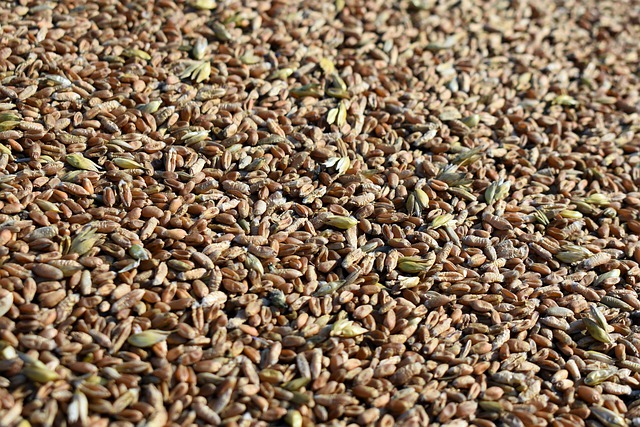
Rye
Barley – barley and other oats were more commonly grown in wet and cold areas. England is a good example and I have my own medieval barley bread recipe which uses ale and honey! Poor harvests were commonplace in medieval times. Therefore, there was often a shortage of grain. Accordingly, poor people had to supplement the little grain they had with other ingredients. They added things like peas, beans and even acorns in order to bake an edible bread. It provided little sustenance but it was the cheapest option and all they could afford.
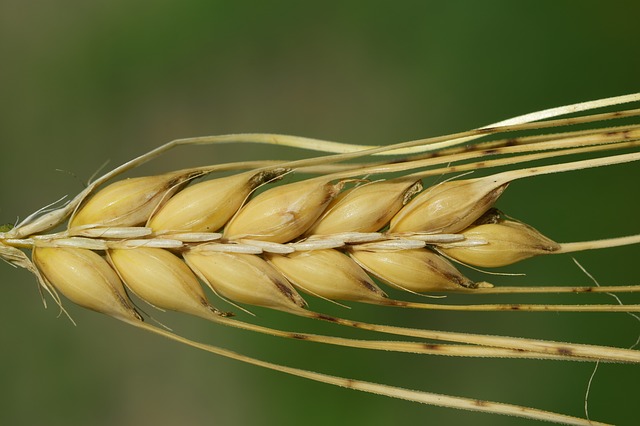
Barley
Types Of Medieval Bread
There were many recipes for baking bread in medieval times and the following are all documented from that time:
pandemain – regarded as the best bread as the flour was sifted 2 or 3 times
wastel – a high quality bread made from very fine flour and more like cake
cocket – a cheaper, harder bread like a cracker
cheat – wholewheat with the bran removed
tourte – containing husk as well as flour (known as brown bread)
horse bread – beans, peas and any general grain was used to make this bread
clapbread – barley bread or oatcakes
So, who you might wonder, ate which bread in medieval times?
- The rich were known to have favoured pandemain. It was made from wheat which required the best quality soil for its cultivation. Such fine bread was enjoyed with honey as a special treat. Remember the old nursery rhyme Sing A Song Of Sixpence? “The king was in his counting house, Counting out his money; The queen was in the parlour, Easting bread and honey”
- The average family ate the likes of tourte, horse bread or clapbread.
There was one instance where the rich were presented with brown bread – as plates! Trenchers was the medieval term for these plates. Kitchen staff cut large loaves of brown bread into very thick slices and then made a hollow in the centre. Often, after a meal where wealthy people were dining, the servants collected all the used trenchers. These were then given away, usually to the poor to eat. It may sound a little strange but people had to eat whatever they could get nourishment from in medieval times.
Medieval Bread In Sauces, Custard, Desserts
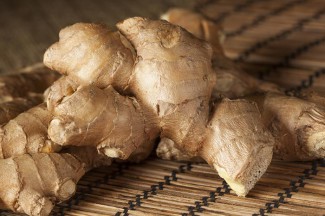 It was a popular practice to use plain or toasted bread in other medieval recipes. Breadcrumbs were ideal to thicken sauces and to stiffen custard. With the addition of spices and honey, breadcrumbs could also be baked into an early form of gingerbread.
Here is my medieval gingerbread recipe.
The poor who lived in the countryside generally baked their own loaves of bread. By contrast, people living in the towns were able to buy their bread from professional bakers. My medieval bread recipes page goes into much more detail about medieval baking if want to learn more.